Mold and Indoor Allergies: How to Protect Your Family in Winchester
Mold isn’t just an eyesore—it’s a silent trigger for indoor allergies that can affect your family year-round. In our region’s humid summers and damp springs, spores thrive in hidden spaces like basements, attics, and crawl spaces, worsening symptoms for those with sensitivities. We’ll show you how to spot the signs, stop the spread, and restore a healthier home.
How Mold Triggers Allergies and Respiratory Issues
Mold releases microscopic spores and mycotoxins into the air, which can provoke allergic reactions when inhaled. Common symptoms include sneezing, itchy eyes, skin rashes, and even asthma attacks in severe cases.
Children, the elderly, and those with pre-existing conditions are especially vulnerable. Even non-toxic mold strains can irritate airways, making indoor air quality a critical health concern.
Where Mold Hides in Winchester Homes
Basements and crawl spaces are prime targets due to poor ventilation and high humidity. Leaks or flooding—common after heavy rains in Kernstown or Stephens City—create ideal conditions for growth.
Attics often trap moisture from roof leaks or inadequate insulation, while bathrooms and kitchens harbor mold behind walls or under flooring. Even HVAC systems can spread spores if not properly maintained.
| Area | Why Mold Grows | Allergy Risk Level |
|---|---|---|
| Basements & Crawl Spaces | High humidity, poor airflow, water intrusion | High |
| Attics | Roof leaks, condensation, poor insulation | Moderate to High |
| Bathrooms | Steam, leaks, porous surfaces | Moderate |
| HVAC Systems | Moisture in ducts, organic dust buildup | High (if contaminated) |
| Under Sinks | Plumbing leaks, damp cabinets | Moderate |
Signs Your Home May Have a Mold Problem
Visible mold—black, green, or white patches—is the most obvious sign, but it often grows behind walls or under flooring. Musty odors are another red flag, even if you can’t see the source.
Unexplained allergy flare-ups, especially when indoors, may indicate hidden mold. Water stains, peeling paint, or warped wood also signal excess moisture, a precursor to mold growth.
A persistent musty odor often means mold is already spreading. By the time you smell it, spores may have contaminated the air in Middletown or Stephenson homes.
Why DIY Mold Removal Often Fails
Bleach and household cleaners only kill surface mold, leaving roots (hyphae) intact. Without proper containment, disturbing mold releases more spores into the air, worsening allergies and spreading contamination.
Improper drying or failing to address the moisture source means mold will return. Professional remediation includes air filtration, containment barriers, and moisture control to prevent recurrence.
Our Mold Remediation Process: Safe and Thorough
We start with a detailed mold inspection and air quality testing to identify the extent of contamination. This includes moisture mapping to locate hidden water sources in walls, floors, or HVAC systems.
Containment is critical. We use physical barriers and negative air pressure to prevent spores from spreading during removal. HEPA air scrubbers filter airborne particles, protecting your family and our team.
All affected materials—drywall, insulation, carpeting—are safely removed and disposed of. We then clean and treat surfaces with EPA-approved antimicrobials to inhibit regrowth.
Finally, we address the root cause: moisture. This may involve repairing leaks, improving ventilation, or installing dehumidifiers in crawl spaces and basements.
Key Steps in Professional Mold Remediation
- Inspection and air quality testing
- Containment setup with barriers and air scrubbers
- Safe removal of contaminated materials
- HEPA vacuuming and antimicrobial treatment
- Moisture source identification and repair
- Post-remediation verification testing
Preventing Mold to Protect Your Family’s Health
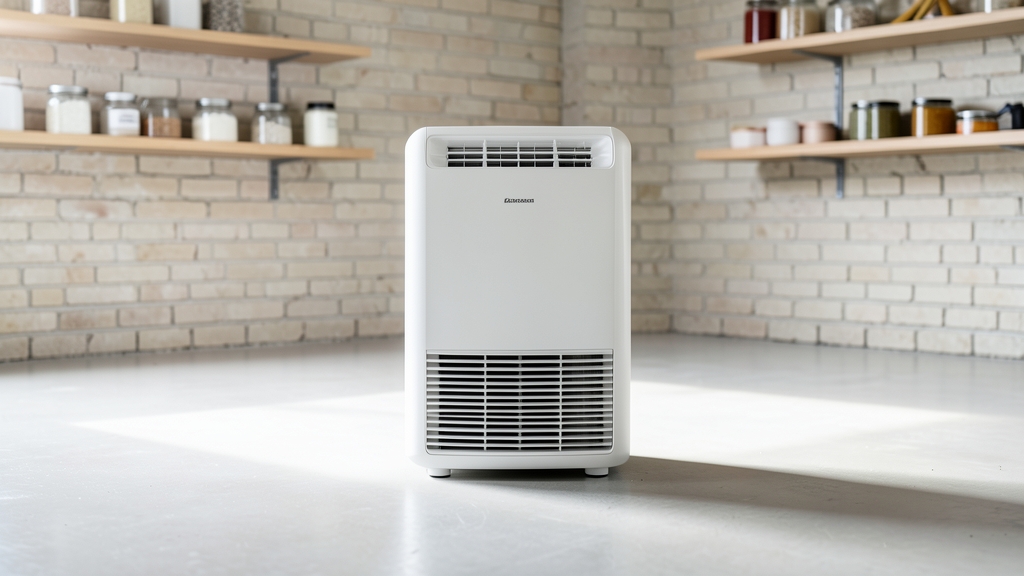
Control humidity levels between 30-50% with dehumidifiers, especially in basements and crawl spaces. In Winchester’s humid climate, this is your first line of defense.
Fix leaks promptly—whether from roofs, pipes, or windows. Ensure proper drainage around your home’s foundation to prevent water intrusion during heavy rains.
Improve airflow with exhaust fans in bathrooms and kitchens. Regularly clean and inspect HVAC systems to prevent spore circulation. Use mold-resistant products like paperless drywall in high-risk areas.
Check under sinks, behind appliances, and in storage areas monthly. Early detection in Stephens City or Kernstown homes can save you from costly remediation later.
Mold vs. Mildew: Know the Difference
Mildew is a surface fungus that appears as gray or white patches, typically on shower walls or windowsills. It’s easier to clean and less harmful than mold.
Mold penetrates deeper into materials, often appearing fuzzy or slimy in black, green, or red. It poses greater health risks and requires professional remediation to fully eradicate.
When to Call a Professional Mold Remediation Team
If mold covers more than 10 square feet, or if it’s in your HVAC system, call us immediately. DIY methods won’t suffice, and improper handling can worsen contamination.
Recurring mold after cleaning, or mold in hard-to-reach areas like attics or crawl spaces, requires expert intervention. We also recommend professional testing if family members experience unexplained allergy symptoms.
How to Reduce Allergens After Mold Remediation
Even after remediation, these steps help maintain a healthier indoor environment.
- 1Deep Clean Surfaces
Use a HEPA vacuum to remove residual spores from carpets, upholstery, and curtains. Wipe down hard surfaces with a damp cloth to trap dust.
- 2Replace HVAC Filters
Upgrade to high-efficiency filters (MERV 11 or higher) to capture mold spores and other allergens circulating in your home.
- 3Wash Soft Items
Launder bedding, drapes, and clothing in hot water (130°F or higher) to kill any lingering spores.
- 4Use Air Purifiers
Place HEPA air purifiers in high-traffic areas, especially bedrooms, to continuously filter airborne allergens.
- 5Control Humidity
Run dehumidifiers in damp areas like basements or crawl spaces, emptying them regularly to maintain optimal humidity levels.
- 6Schedule Follow-Up Testing
Request a post-remediation air quality test to confirm mold levels are safe and allergens are under control.
Frequently Asked Questions
Can mold in my Winchester home make my allergies worse?
Absolutely. Mold spores act as allergens, triggering symptoms like sneezing, congestion, and itchy eyes. Prolonged exposure can also lead to chronic sinus issues or asthma in sensitive individuals.
How do I know if my allergies are caused by mold?
If symptoms improve when you’re away from home but return when you’re indoors, mold could be the culprit. A professional mold inspection and air quality test can confirm the presence of spores.
Is black mold more dangerous than other types?
Black mold (Stachybotrys) produces mycotoxins that can be harmful, but all mold should be treated seriously. The color doesn’t always indicate toxicity—testing is the only way to know for sure.
How long does mold remediation take in a typical Winchester home?
The timeline depends on the extent of contamination and the size of the affected area. Most residential projects take 1-5 days, with additional time for drying and post-remediation testing.
Will mold come back after remediation?
Not if the moisture source is properly addressed. Our team doesn’t just remove mold—we identify and fix the root cause, whether it’s a leak, poor ventilation, or high humidity, to prevent recurrence.
Do you offer mold prevention services for homes in Kernstown or Stephens City?
Yes. We provide moisture control solutions, including crawl space encapsulation, dehumidifier installation, and ventilation improvements to keep your home mold-free long-term.